
The Rain Gauge Museum
The Rain gauge with five-inch diameter, of the type adopted in the 1860s by the British Rainfall Organisation and later the Meteorological Office.
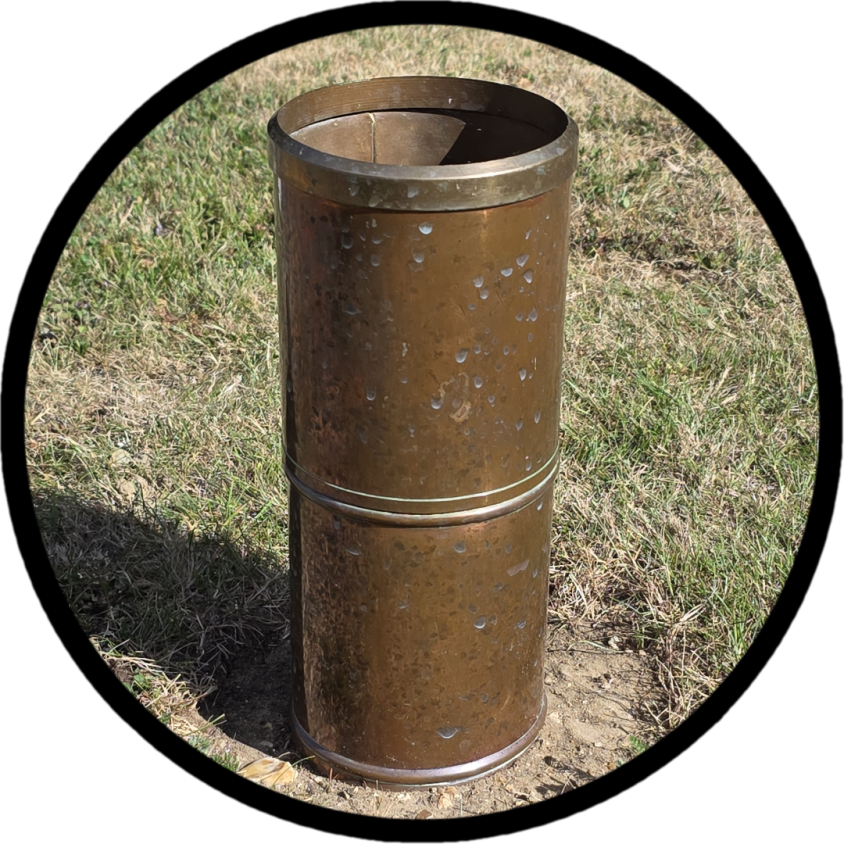
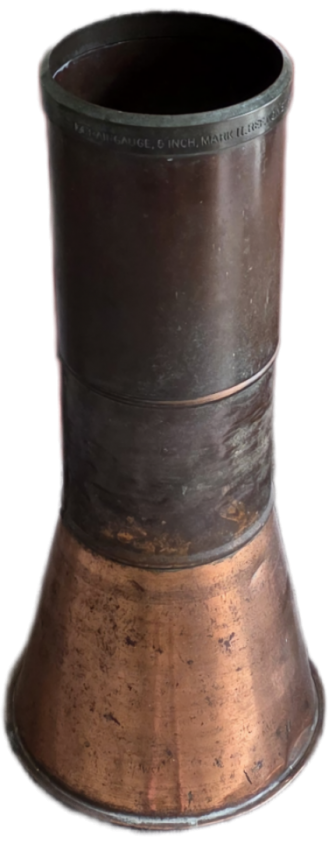
Met office MK II W Rollason
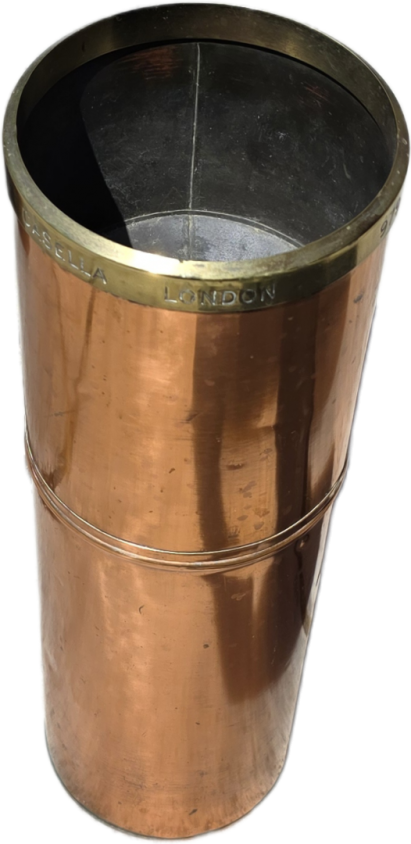
Casell London 979
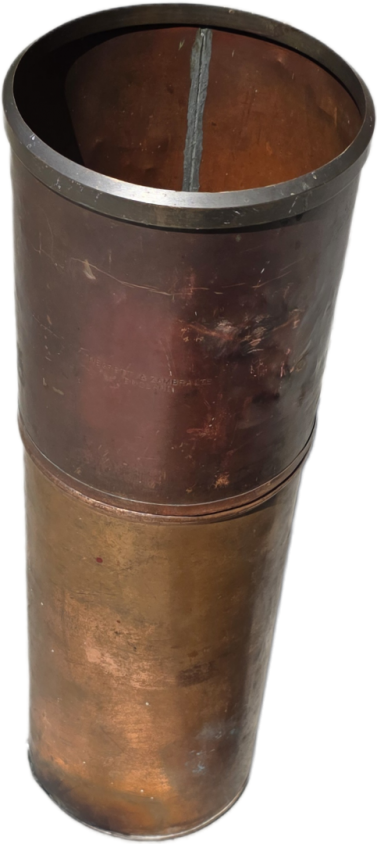
Negretti & Zambra
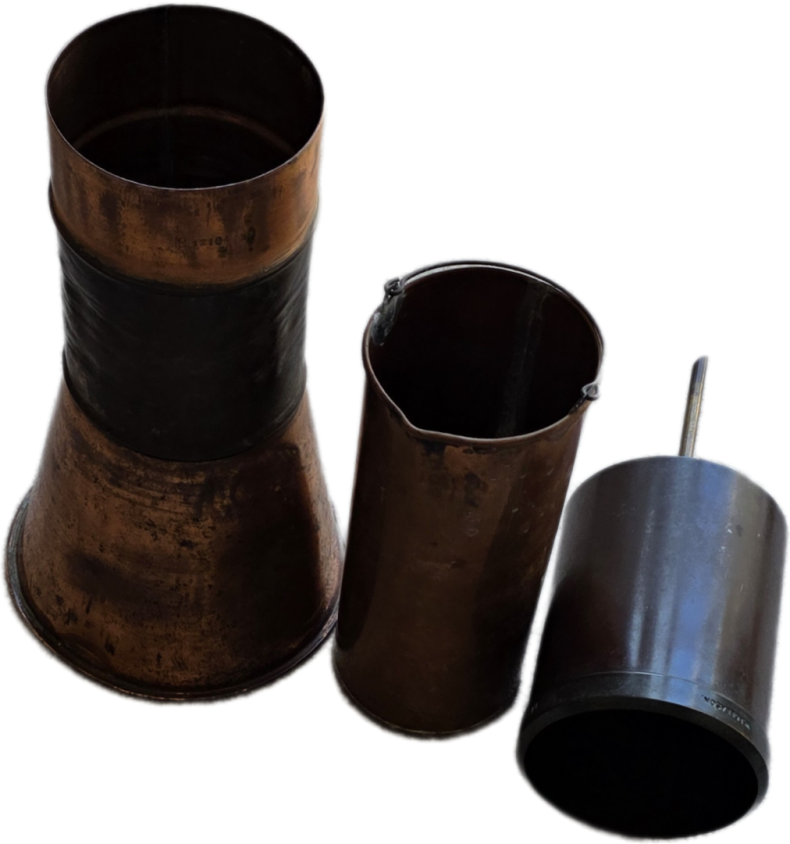
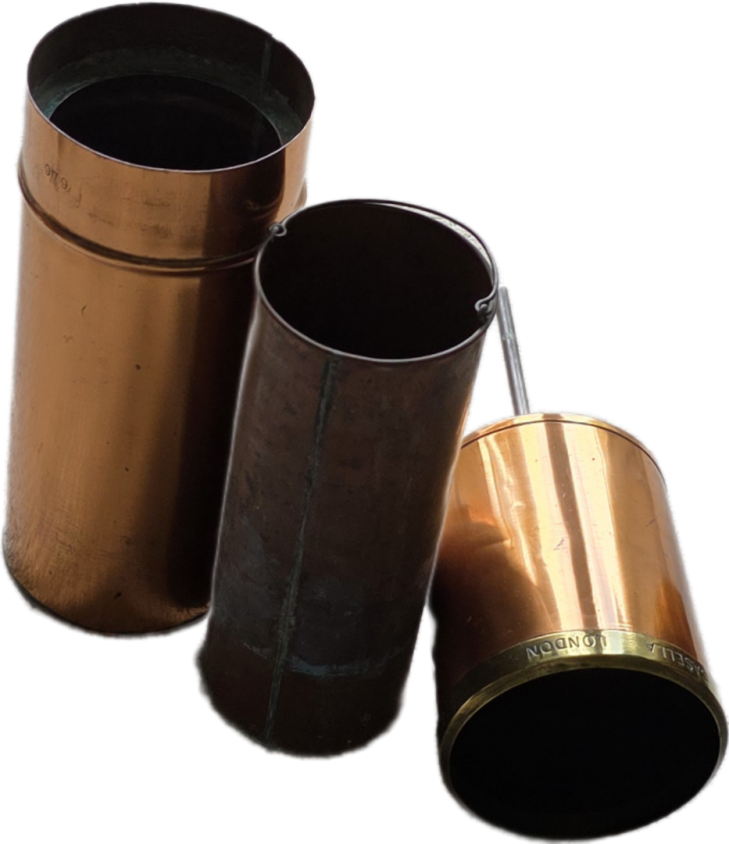
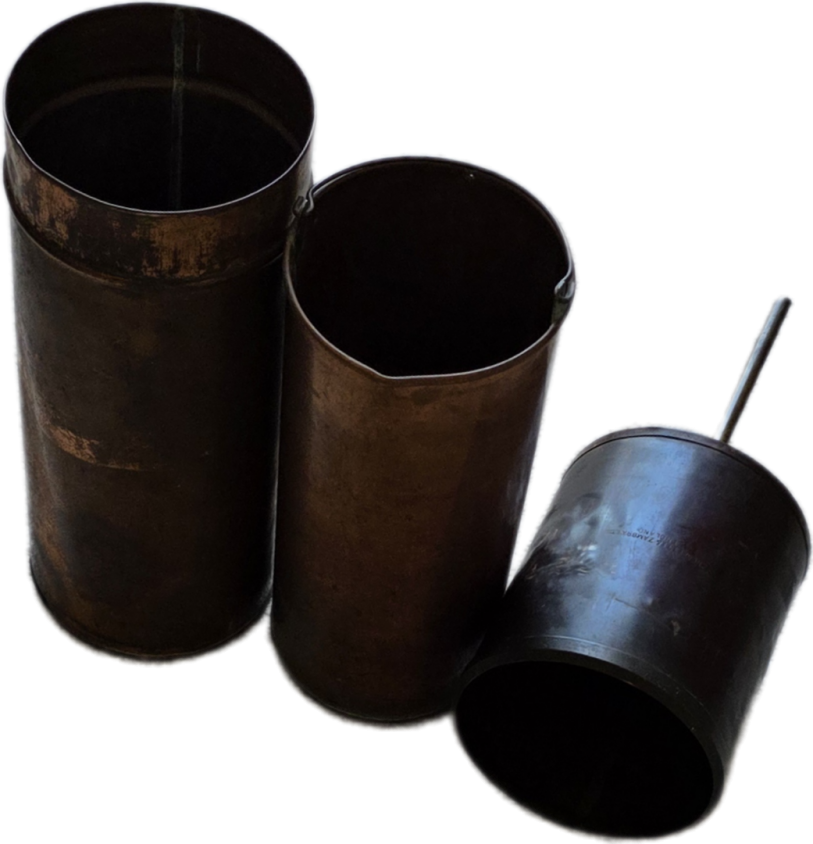
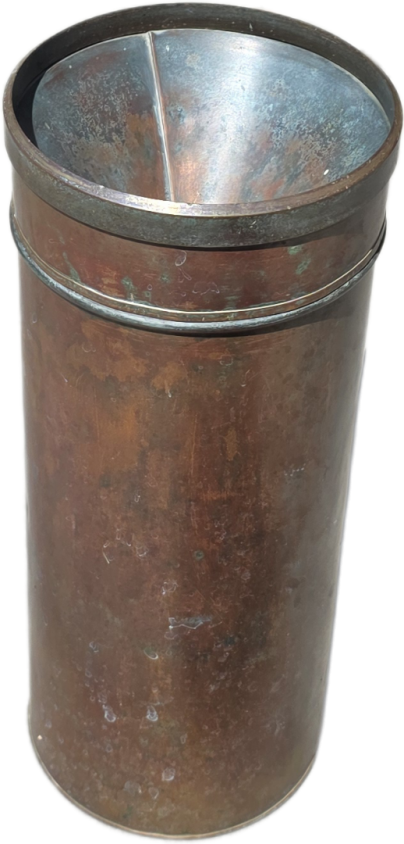
Rain Gauge make unknown
The gauge consists of a copper funnel, an outer can and an internal collector. The rim is one foot off the ground to prevent in-splashing.Regular monitoring of rainfall in Britain was stimulated by a run of unusually dry years in the 1850s. Meteorologist George James Symons was instrumental in establishing a network of hundreds of observers who reported their observations back to him for publication, in a initiative partly funded by the British Association for the Advancement of Science. Symons conducted tests of different rain gauge designs, and recommended this five-inch-diameter design as the standard device. Gauges of the type were also adopted by the Meteorological Office.