The World of Copper Rain Gauges
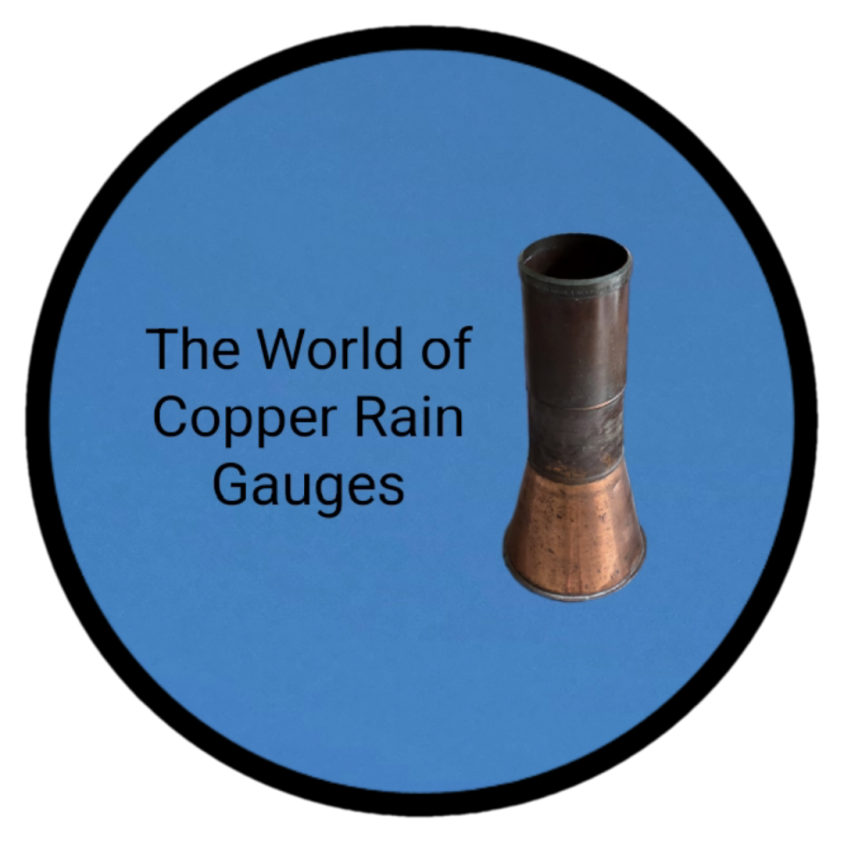
we are passionate about preserving weather history rescuing vintage rain gauges from past eras to keep their stories alive.
The Rain gauge with five-inch diameter, of the type adopted in the 1860s by the British Rainfall Organisation and later the Meteorological Office.
Some Distinguished Instrument Makers Represented in Our Collection
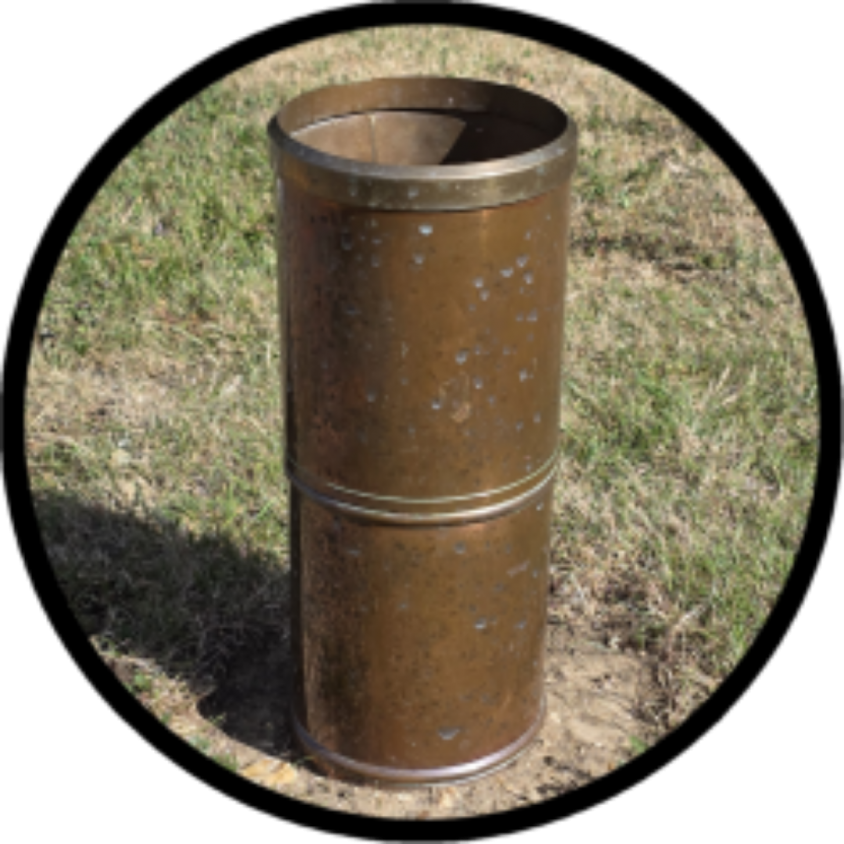
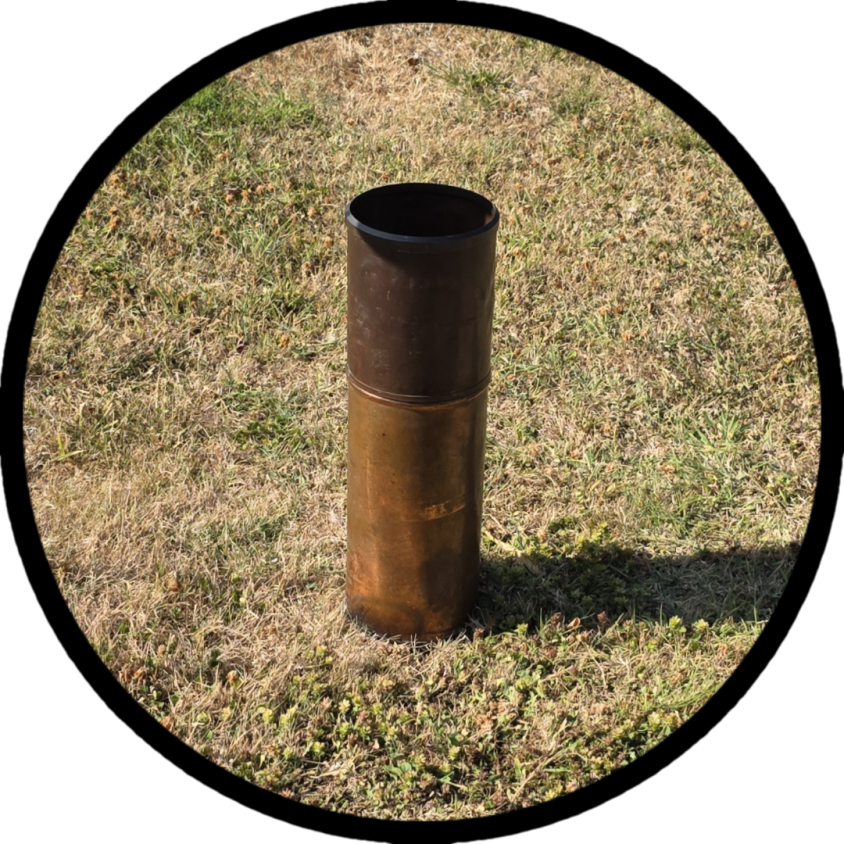
Negretti & Zambra
Negretti & Zambra founded in London in 1850 by Enrico Negretti and Joseph Zambra were the preeminent scientific instrument makers of the Victorian and Edwardian eras. Appointed instrument makers to Queen Victoria the Royal Observatory and the British Meteorological Office their rain gauges are renowned for exceptional foundry casting heavy gauge copper construction and precise machining.
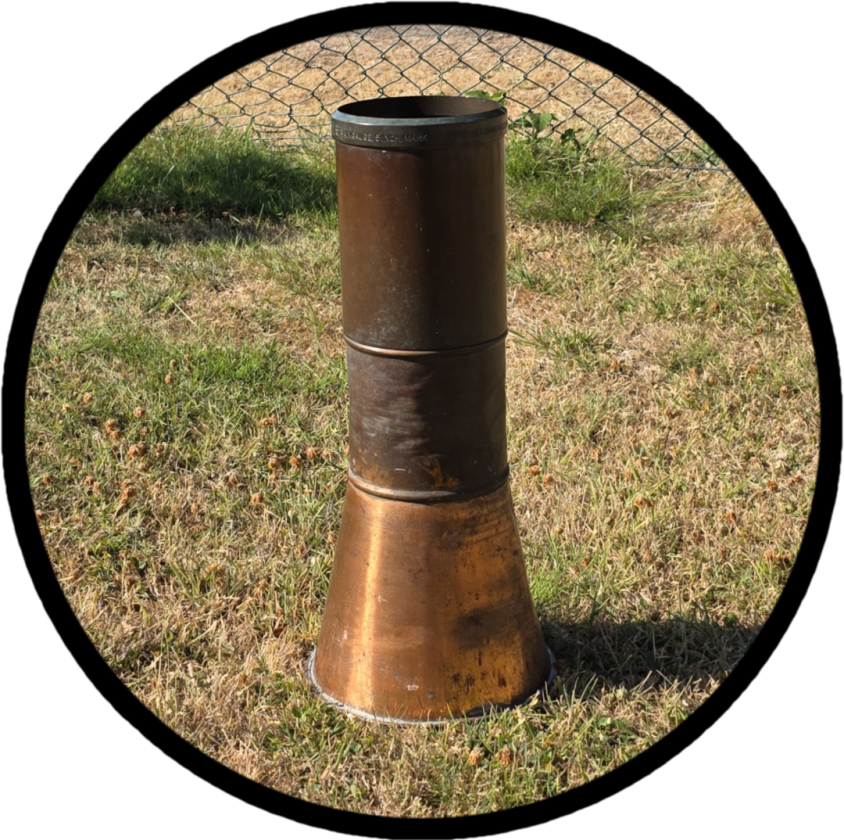
Met Office MK II W Rollason
The Met Office Mk II Rain Gauge is the benchmark 5-inch standard manual rain gauge used throughout the 20th century across the UK observing network. Historic British scientific instrument manufacturers including W. Rollason and Casella produced these to strict Meteorological Office specifications.
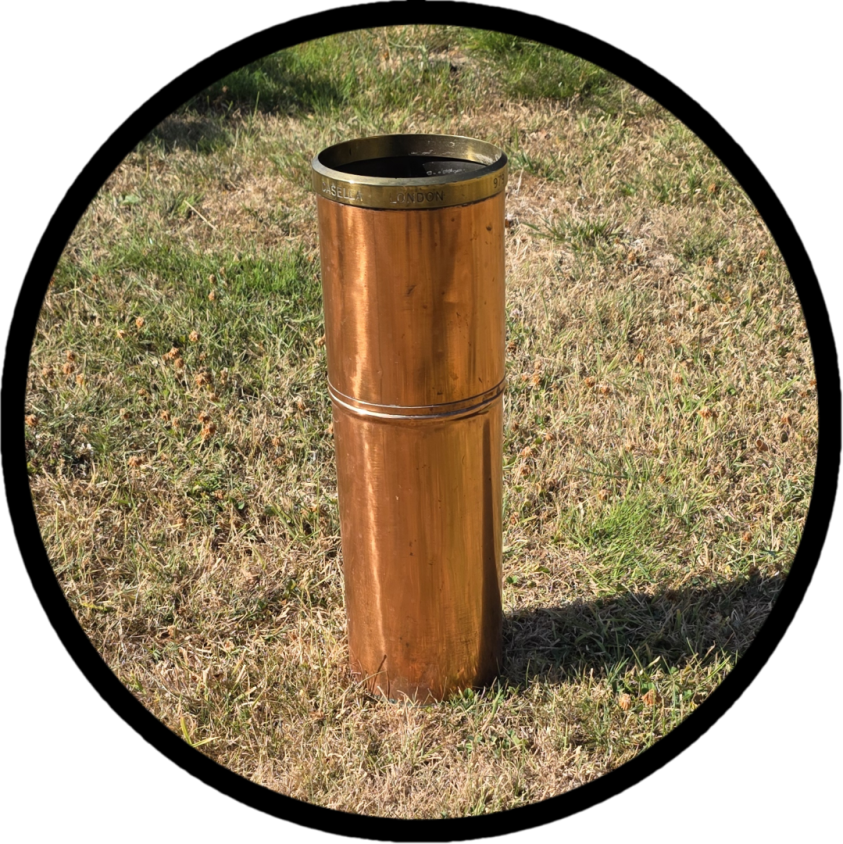
Casell London 979
C.F. Casella & Co. of London produced some of the most iconic precision crafted rain gauges in meteorological history. Founded originally in 1810 by Louis Casella and later operating as C.F. Casella & Co. the firm served as official makers to the British Admiralty the Meteorological Office and observational networks worldwide.
Image coming soon of our new rain gauge
Joseph Long
Joseph Long operating out of Little Tower Street, London during the 19th century was a premier British scientific instrument maker. While widely known for hydrometers and gauging rules the firm manufactured high specification brass and copper meteorological apparatus including heavy gauge copper pluviometers.
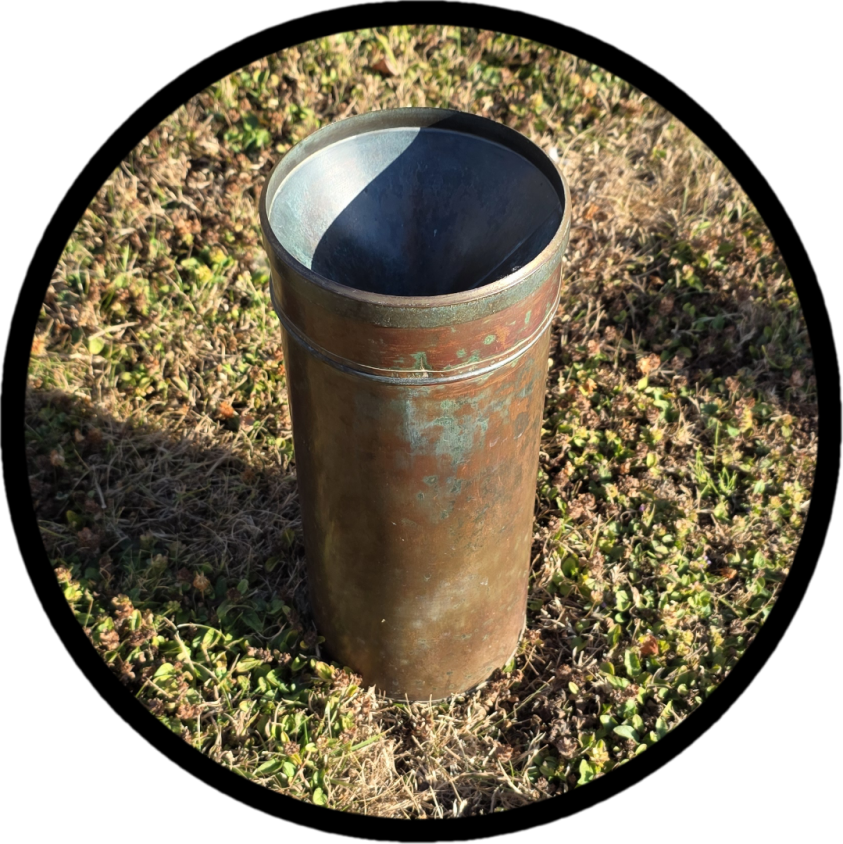
Rain Gauge Maker Unknown
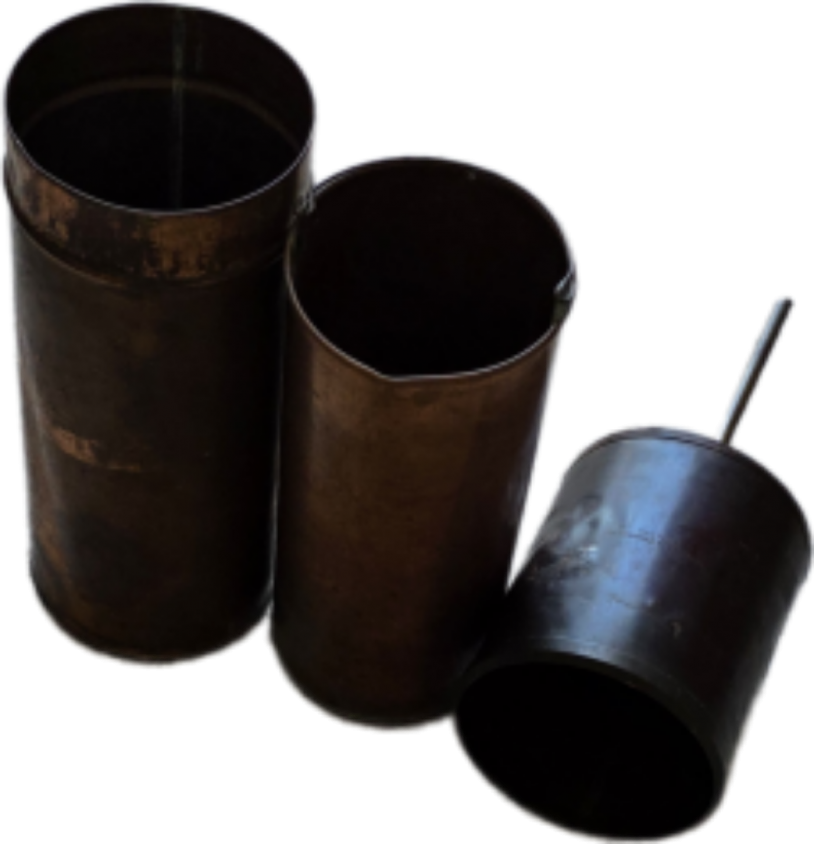
Negretti & Zambra
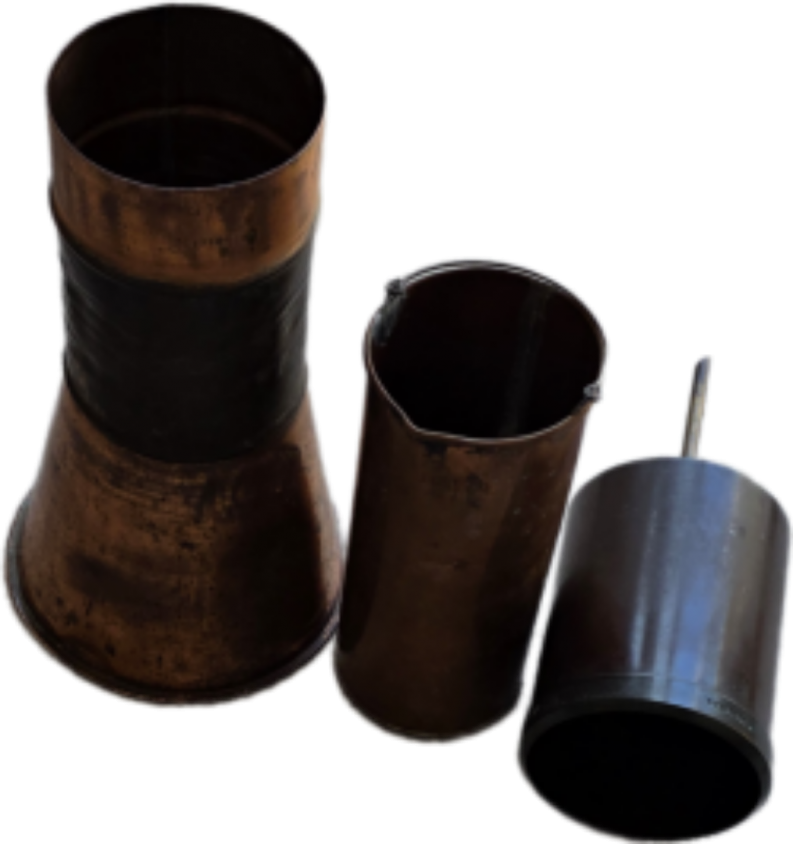
Met Office MK II W Rollason
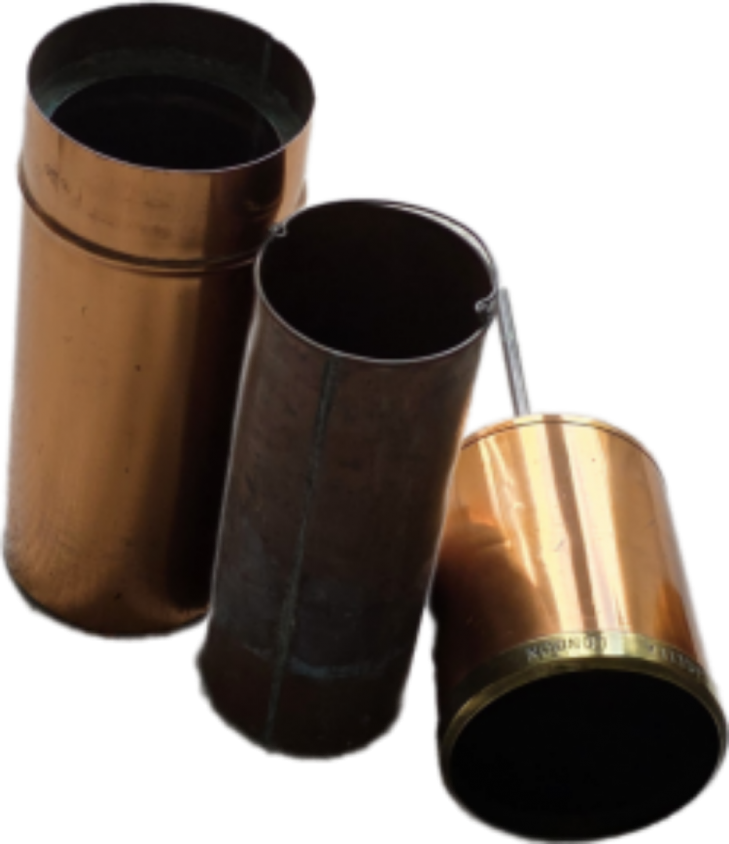
Casell London 979
Historical Overview of Rain Gauges
The gauge consists of a copper funnel, an outer can and an internal collector. The rim is one foot off the ground to prevent in-splashing.Regular monitoring of rainfall in Britain was stimulated by a run of unusually dry years in the 1850s. Meteorologist George James Symons was instrumental in establishing a network of hundreds of observers who reported their observations back to him for publication, in a initiative partly funded by the British Association for the Advancement of Science. Symons conducted tests of different rain gauge designs, and recommended this five-inch-diameter design as the standard device. Gauges of the type were also adopted by the Meteorological Office.
The World of Copper Rain Gauges Constantly Evolving