Meteorological Instruments
Copper Rain Gauges (Pluviometer)
Here are a few examples.
The copper rain gauge, specifically the standardized 5-inch (127mm) pattern, has been the backbone of rainfall measurement in Britain since the mid-19th century. Adopted by the British Rainfall Organisation and later the Meteorological Office, these instruments were designed for durability, accuracy, and consistency in recording daily precipitation.
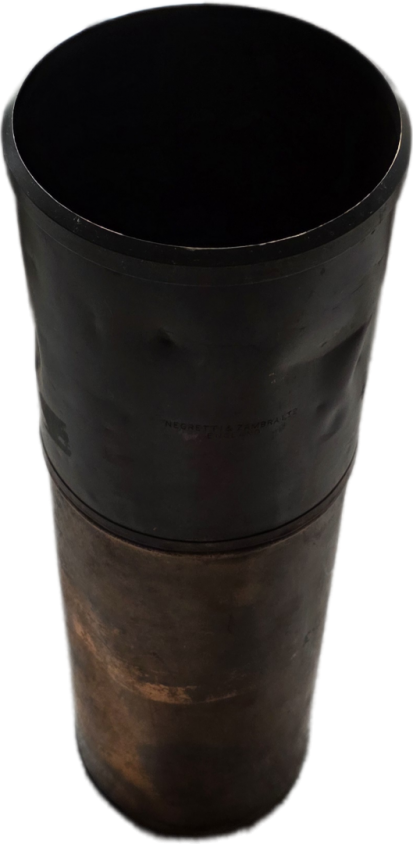
Negretti And Zambra
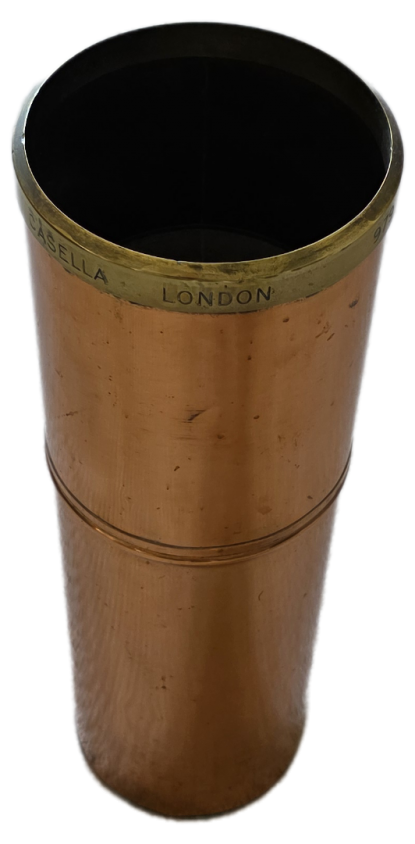
Casella London
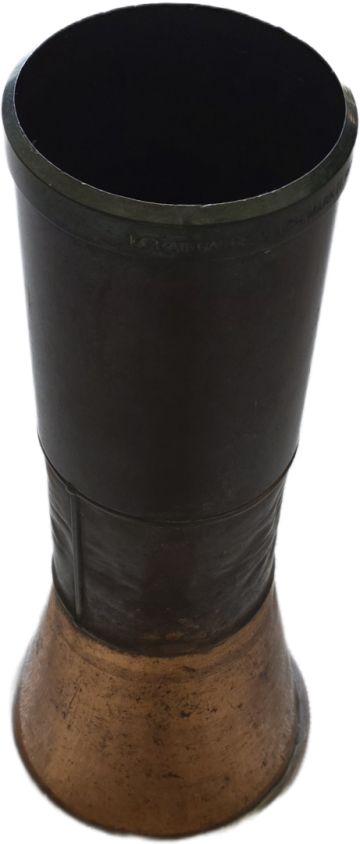
W Rollason Met office
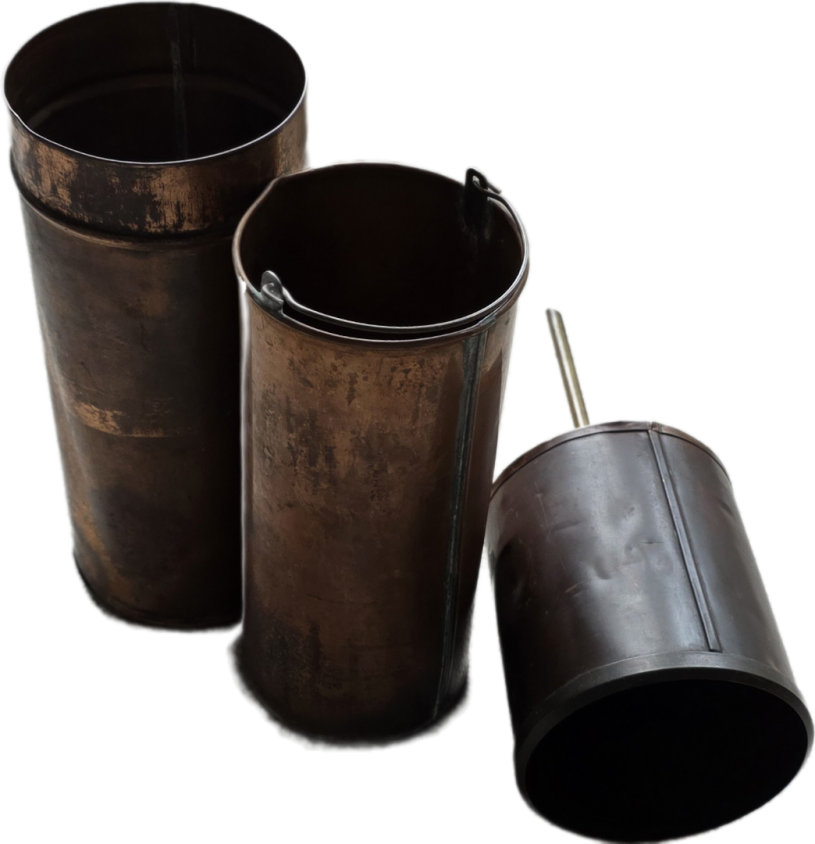
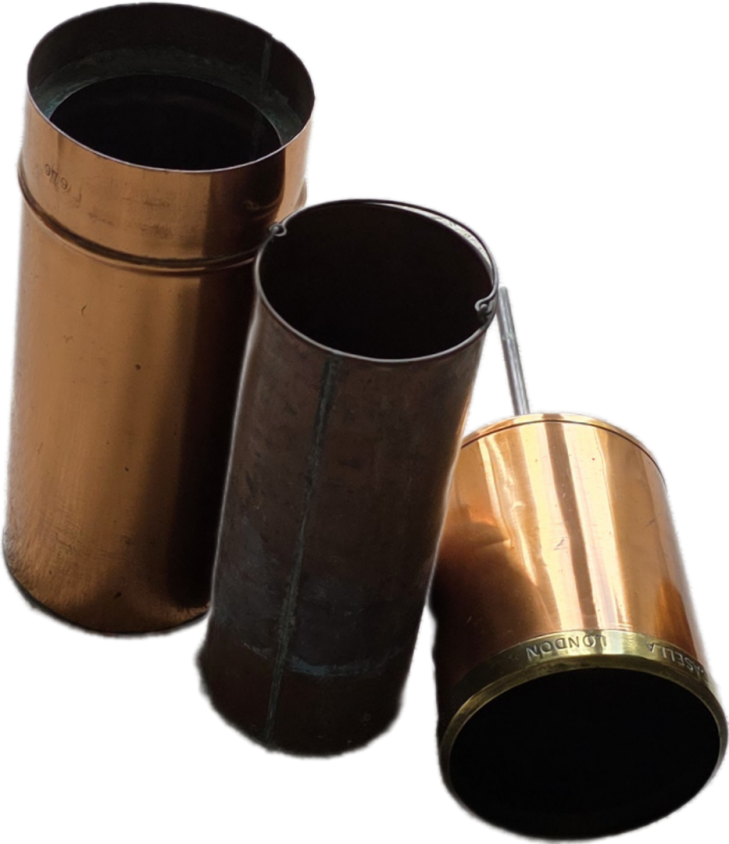
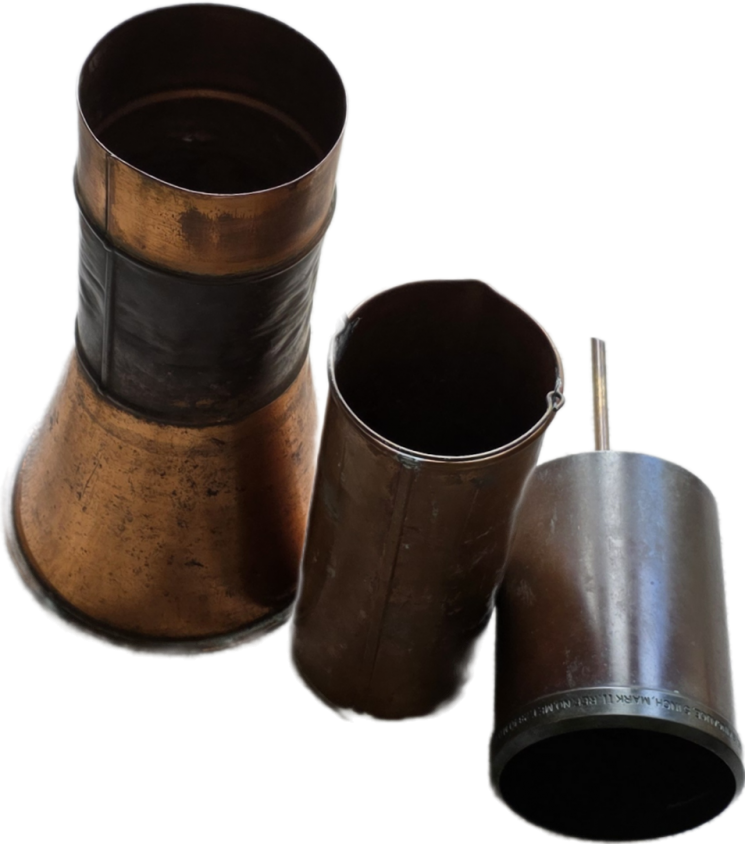
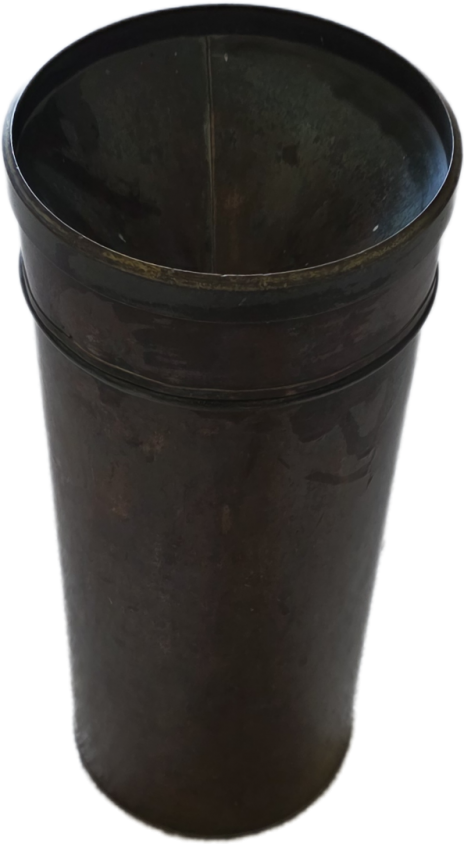
Unknown pluviometer
Following a series of dry years, standardized rain monitoring was established. Meteorologist George James Symons established the British Rainfall Organisation (later part of the Met Office) and championed the 5-inch copper gauge.
The history of the rain gauge in the UK began in the 1660s, pioneered by Sir Christopher Wren and developed by Richard Towneley for systematic recording in 1677. Over centuries, it evolved from early manual funnel-and-bottle designs to automated tipping-bucket instruments.
Aneroid Barometers
Here are a few examples
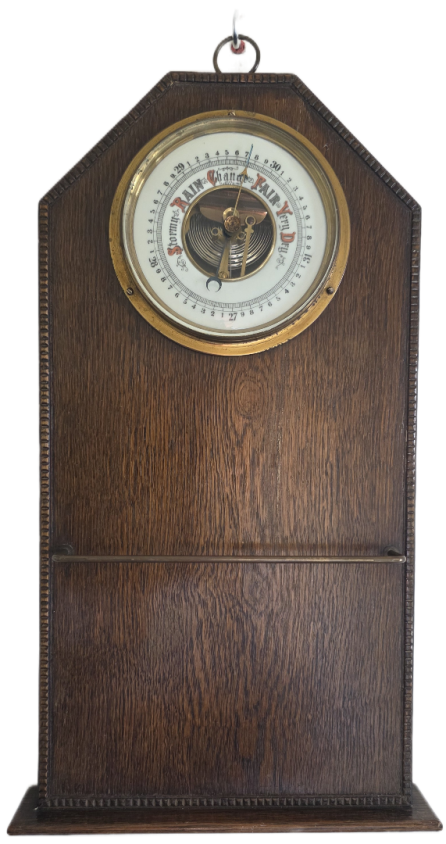
Barometer With Letter Holder
How to Read Changes Rising Pressure: Indicates that good, dry, and cool weather is on the way.Falling Pressure: Signals the approach of a low-pressure system, which usually brings clouds, rain, or wind.Rapid Drop: Often a warning sign of an incoming storm or severe weather front.
Aneroid barometers below made for the met office used in various weather stations around the uk made by different makers.
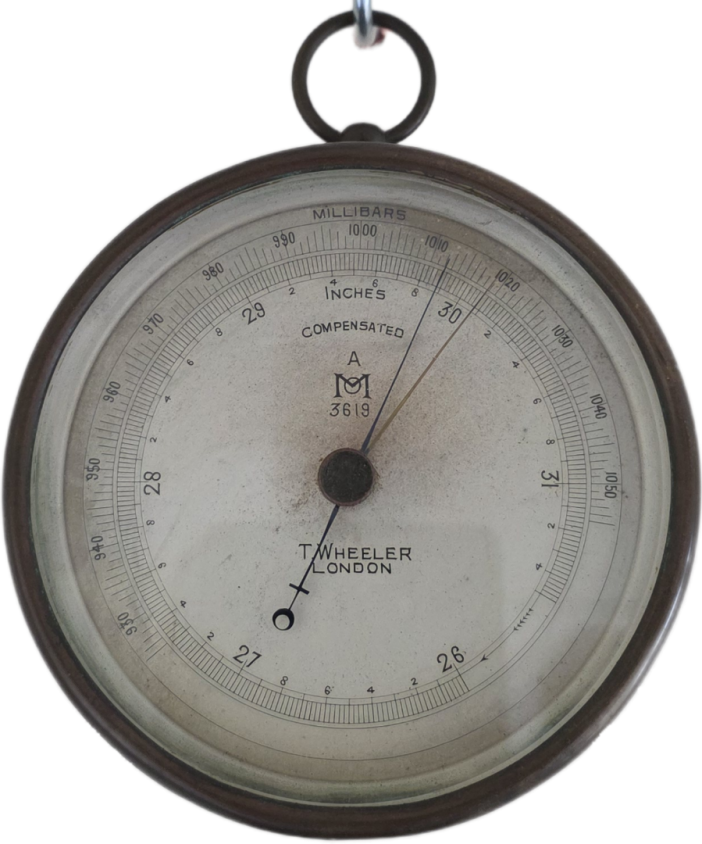
T.wheerer London 1919
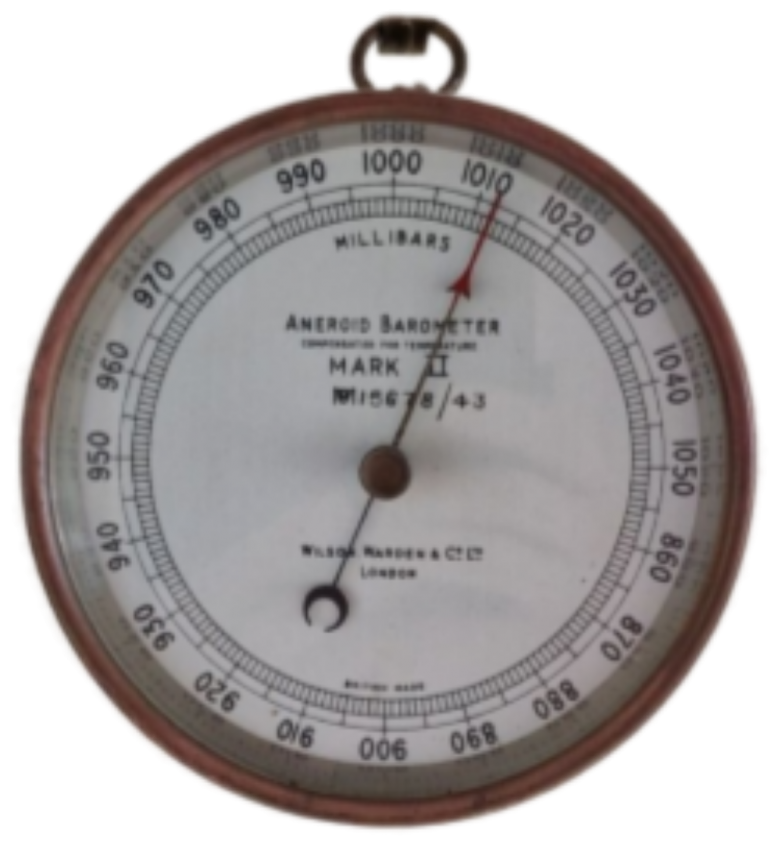
Wilson Warden & Co Ltd London 1943
Pocket Barometers
Admiral Fitzroy & Negretti & Zambra Associated with producing the first popular pocket-sized aneroid barometers, shaped like pocket watches, for widespread use.
The first pocket barometers were produced in the early 1860s.
The development of pocket barometers progressed rapidly after the 1870s.
The Negretti and Zambra company, which was active from the 1850s to around 1935.
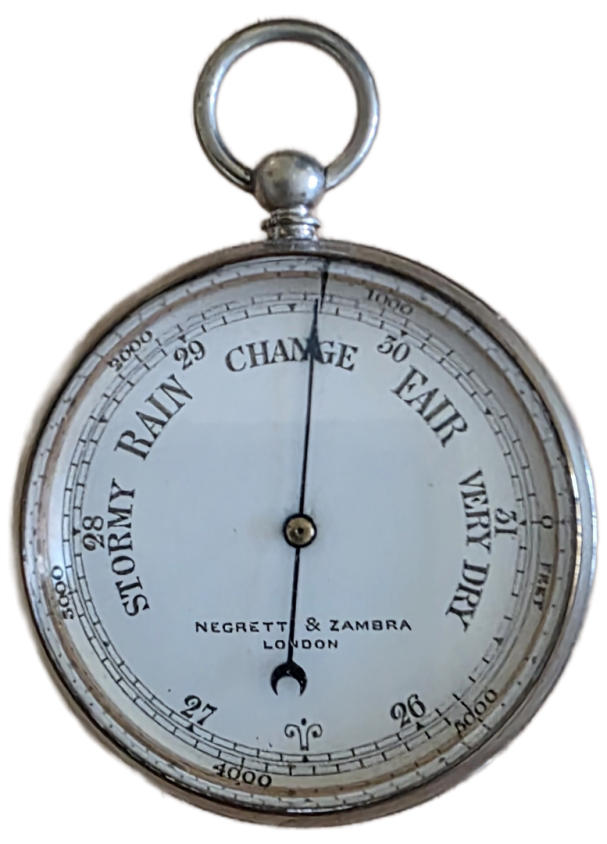
Negretti & Zambra
Pocket Barometers, Victorian men typically wore them in their waistcoat pockets on a chain.
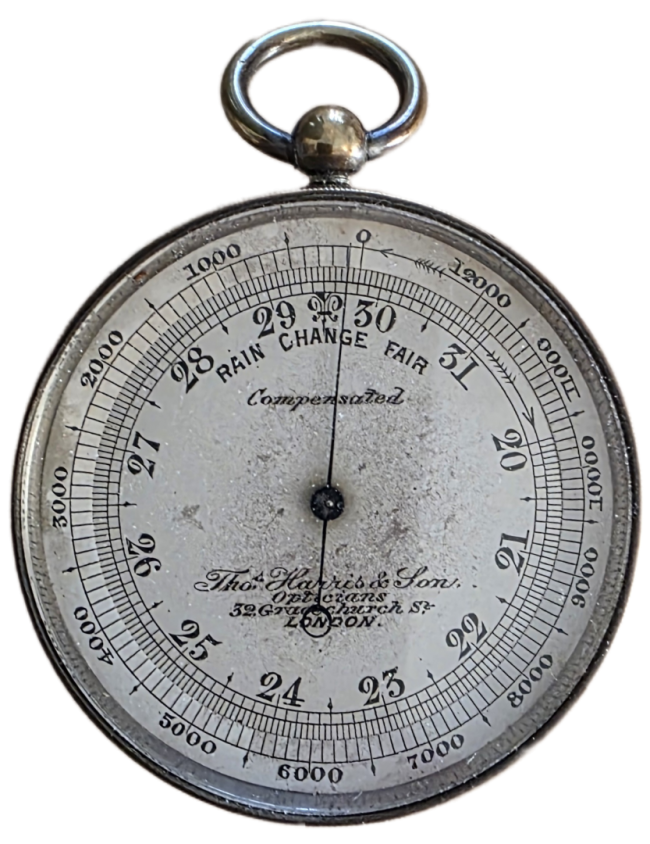
Thomas Harris And Son Opticians London
Thomas Harris & Son was a renowned, historical firm of opticians and scientific instrument makers that operated in London during the late 18th and 19th centuries. The company operated from several notable London addresses, most famously 140 Fleet Street and 52 Great Russell Street opposite the British Museum They held the title of Opticians to the Royal Family during the Georgian era.
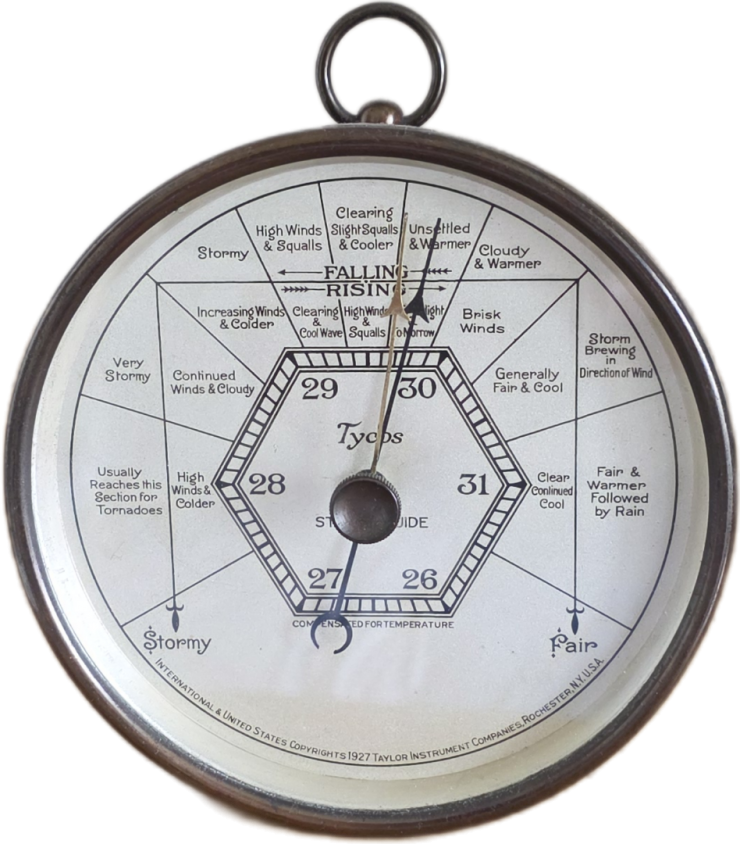
Tycos Stormoguide 1927
The Tycos Stormoguide is a classic aneroid barometer originally popularized in the 1920s. Produced by the Taylor Instrument Companies of Rochester, New York (which used the Tycos trademark from 1908 to 1932), it was designed to simplify weather forecasting for amateur and domestic use.
The 1927 models were built for versatility. They generally included an altitude adjustment wheel on the back, retractable "peg legs" for easy tabletop display, and a hanging ring so they could be mounted on a wall.