The Rain Gauge Museum
A Selection Of Copper Rain Gauges
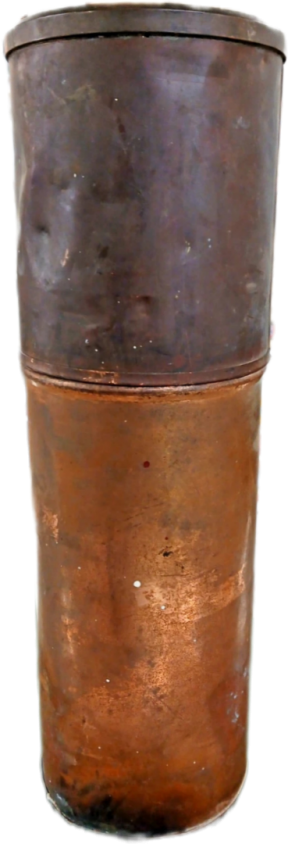
Negretti And Zambra
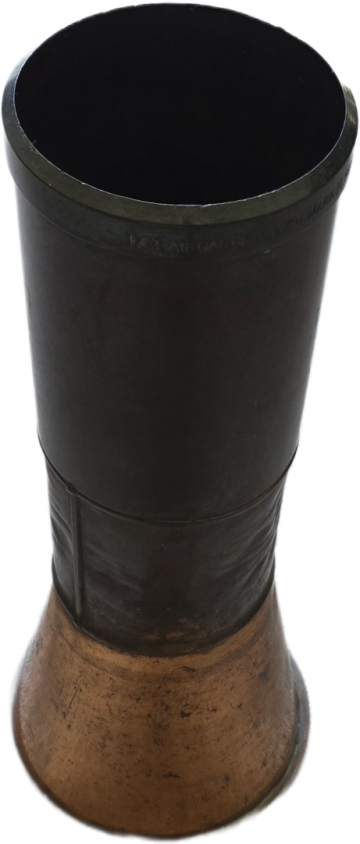
Met office
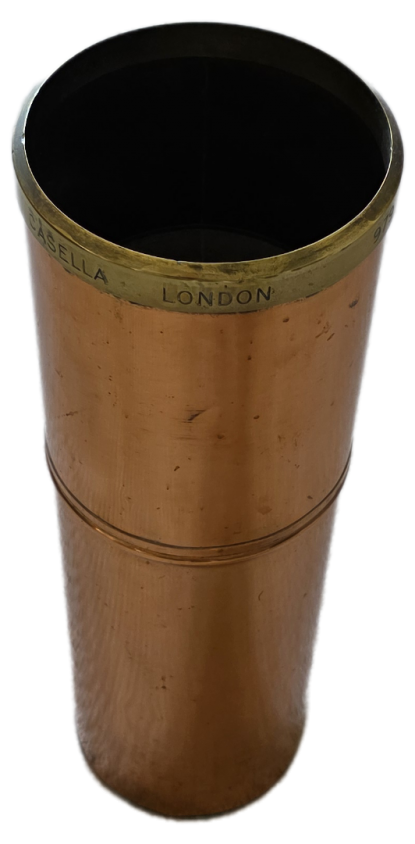
Casella London
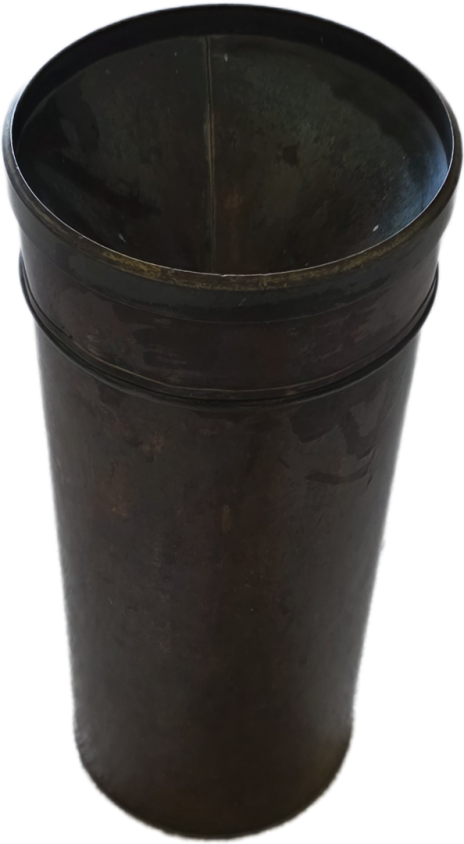
Victorian
The history of the rain gauge in the UK began in the 1660s, pioneered by Sir Christopher Wren and developed by Richard Towneley for systematic recording in 1677. Over centuries, it evolved from early manual funnel-and-bottle designs to automated tipping-bucket instruments, driven by the need for agricultural data and accurate climate monitoring, notably standardized by the British Rainfall Organization.
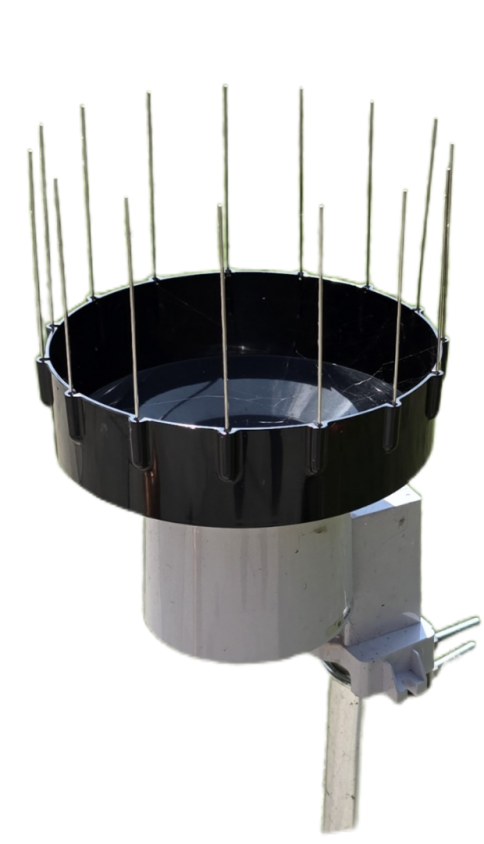
Modern Ecowitt Rain Gauge
For many years the Met Office has used a tipping-bucket rain-gauge for the automatic measurement of rainfall rate.
The collecting funnel has a sampling area of 750 cm2, the rim is set 450 mm above the surrounding ground level and a mechanism records an event each time a rainfall increment of 0.2 mm has been detected.
Barometers
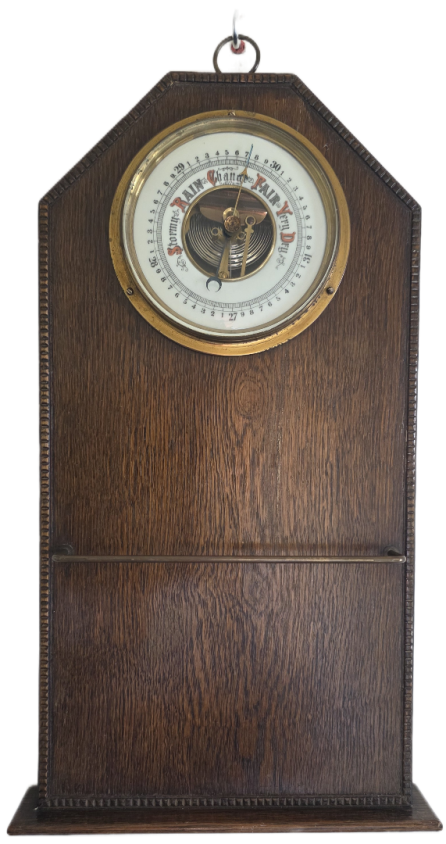
Barometer With Letter Holder
How to Read Changes Rising Pressure: Indicates that good, dry, and cool weather is on the way.Falling Pressure: Signals the approach of a low-pressure system, which usually brings clouds, rain, or wind.Rapid Drop: Often a warning sign of an incoming storm or severe weather front.
Met office aneroid barometers used in various weather stations around the uk
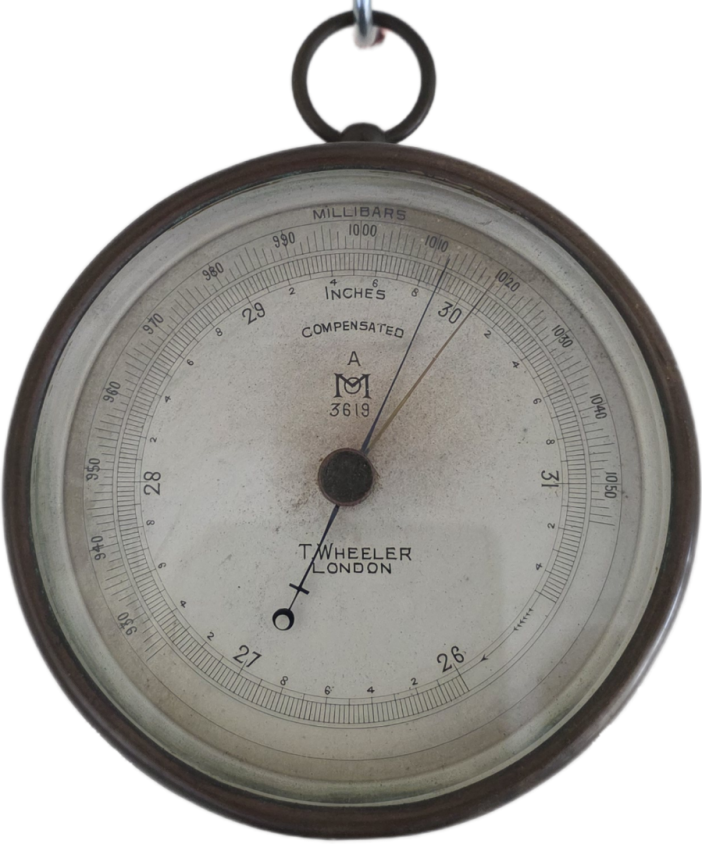
Met Office 1919
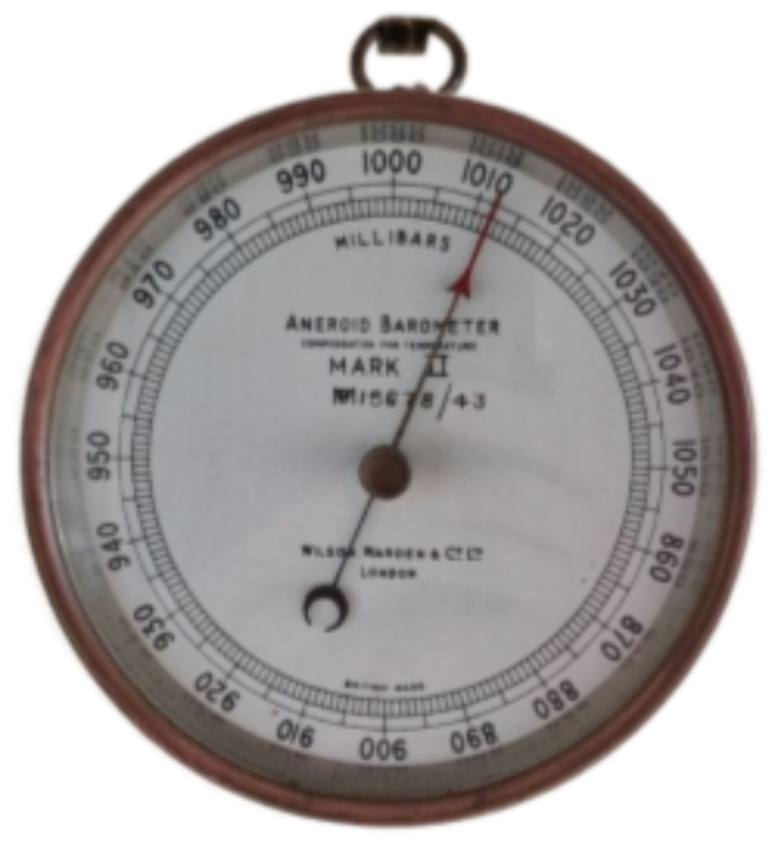
Met Office 1943
Pocket Barometers
Admiral Fitzroy & Negretti & Zambra Associated with producing the first popular pocket-sized aneroid barometers, shaped like pocket watches, for widespread use.
The first pocket barometers were produced in the early 1860s.
The development of pocket barometers progressed rapidly after the 1870s.
The Negretti and Zambra company, which was active from the 1850s to around 1935.
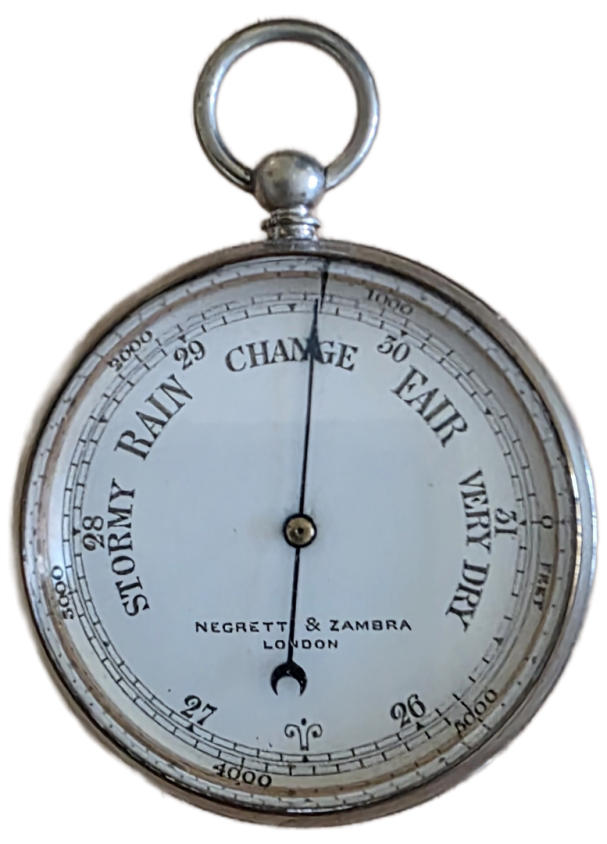
Negretti & Zambra
Pocket Barometers, Victorian men typically wore them in their waistcoat pockets on a chain.
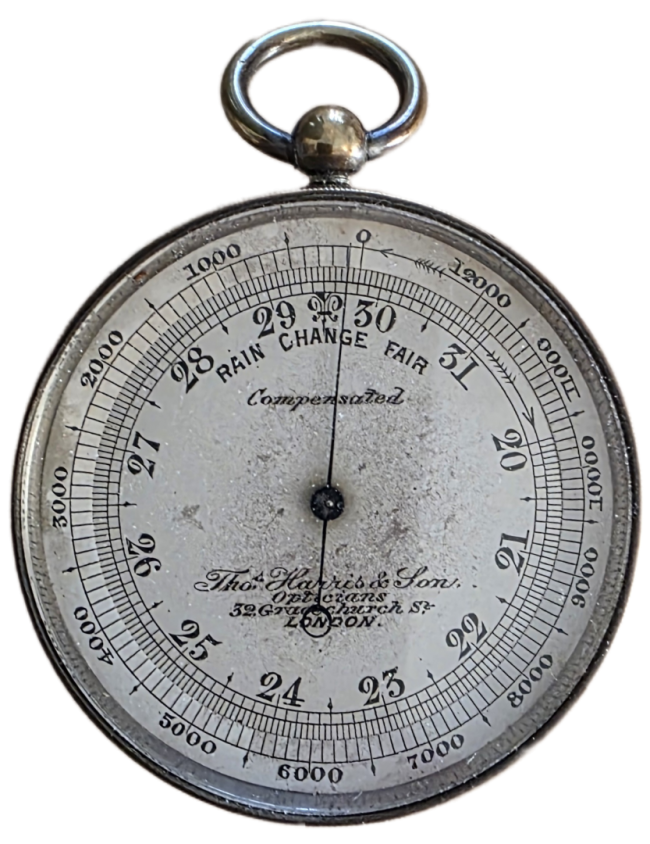
Thomas Harris And Son Opticians London
Thomas Harris & Son was a renowned, historical firm of opticians and scientific instrument makers that operated in London during the late 18th and 19th centuries. The company operated from several notable London addresses, most famously 140 Fleet Street and 52 Great Russell Street opposite the British Museum They held the title of Opticians to the Royal Family during the Georgian era.
Time Lapse Barometer Video
Met Office Barometer 1943
Made With The Ecowitt Wittcam 2024